
relocating to Vancouver
Starting fresh in a new city is one of the most exciting parts of student life. To help you settle into Vancouver, British Columbia, Canada, we have put together a few tips to help you find everything you need in your new home.
Moving to Vancouver for your graduate studies is a major life transition. That’s why we have developed this pre-arrival guide to help you get settled as part of the Adler and Vancouver community. This guide covers everything from traveling to Vancouver and finding housing to getting around the city and obtaining a study permit.
HOUSING
Finding a place to live is an important part of beginning your life as a graduate student.
Finding a place to live is an important part of beginning your life as a graduate student. Vancouver is a vibrant coastal city with diverse neighbourhoods, strong public transit, and easy access to parks, beaches, mountains, and community amenities. Its popularity also makes housing competitive, so planning ahead is important.
The Greater Vancouver area is called the Metro Vancouver Regional District. Many Adler students consider neighbourhoods in the city, as well as suburbs, such as Burnaby, New Westminster, Richmond, Surrey, and North Vancouver. Adler University in Vancouver is located downtown on Seymour Street, near Granville Street and Waterfront Station, making the campus easily accessible by train, SeaBus, or bus.
Adler Partners
4Stay Adler University Housing Search
Adler has partnered with 4Stay, an online housing platform, to assist you in your housing search. Check out the microsite here and use this to start your curated housing search in Vancouver
Adler has partnered with Sparrow to help pair students with a curated pool of verified, compatible, and trusted homeshare hosts for flexible and affordable housing options. Students can begin their search on the Sparrow website.
Temporary + Short Term Housing
Many students begin their time in Vancouver in a short-term rental. This allows them to conduct a more thorough on-the-ground housing search. Many of these short-term rental options are from companies used to providing housing solutions to students moving to Vancouver. Most of these stays require a 3-month rental agreement.
Vanmates: Co-living and furnished accommodation options.
Global Education City: Furnished student housing and short-term accommodation options.
APT Living Microsuites: Microsuite rentals that may suit students seeking independent living.
Hamilton Studios: Furnished studio options; confirm current lease minimums directly with the provider.
Long Term Housing
Housing search engines are the main resources for people looking for apartments. Most leases begin as a one-year lease and move to a month-to-month lease following the first year of tenancy. Please do your due diligence in researching the listings, as these sites are external resources and not partners of the University.
Relocation Support
You can outsource your housing search to a relocation company. For a fee, their staff will assist you in securing rental housing before you arrive in the city.
KNOW YOUR TENANT RIGHTS
In British Columbia, both tenants and landlords are covered by the Residential Tenancy Act (RTA). The RTA is a set of provincial laws that outlines the rights of tenants and landlords.
Most rental housing is protected under the RTA, but not all renters are protected under this law. Please take time to understand your rights as a tenant. Please keep in mind that if your name is on a tenancy agreement and you are not sharing kitchen or bathroom facilities with your landlord, you are likely considered a tenant protected under the RTA. You can find out more about tenancy rights and legal definitions through the Tenant Resource and Advisory Centre.
We also recommend you take the free Renting It Right online course from TRAC before engaging in your first rental agreement in British Columbia.
the Necessities
Grocery shopping + pharmacies
Vancouver has a wide range of grocery stores, pharmacies, specialty food shops, farmers markets, and international grocers. Common grocery options include Save-On-Foods, Safeway, No Frills, Real Canadian Superstore, Whole Foods Market, T&T Supermarket, and Costco. Common pharmacy options include Shoppers Drug Mart, London Drugs, Rexall, Pharmasave, and independent pharmacies. Hours, prices, and delivery options vary by neighbourhood.

Hospitals + doctors
In an emergency, call 911 or go to the nearest emergency department. Vancouver and the surrounding region are served by hospitals and clinics across Vancouver Coastal Health, Providence Health Care, Fraser Health, and other health authorities. For non-emergency health advice or help finding care, call HealthLink BC at 8-1-1 or use the HealthLink BC directory to search for walk-in clinics, hospitals, mental health services, pharmacies, and other health services.
If you will live in British Columbia for six months or longer, review your eligibility for the Medical Services Plan. International students with a valid study permit of six months or more must apply for MSP upon arrival and should carry private insurance until provincial coverage begins. The International Student Health Fee is charged to international students enrolled in MSP.

Health + fitness
Vancouver offers many options for staying active, including private gyms, yoga and Pilates studios, running groups, climbing gyms, dance studios, aquatic centres, community centres, and outdoor recreation. City of Vancouver and Park Board facilities can be more affordable alternatives to private fitness clubs. Many students also take advantage of the seawall, Stanley Park, neighbourhood greenways, and nearby trails.

TRANSPORTATION
Vancouver has flexible ways to get around, including SkyTrain, bus, SeaBus, West Coast Express, taxis, rideshare services, bike share, car share, and walkable downtown streets. Adler University in Vancouver is downtown, and public transit is often the most convenient way to reach campus.
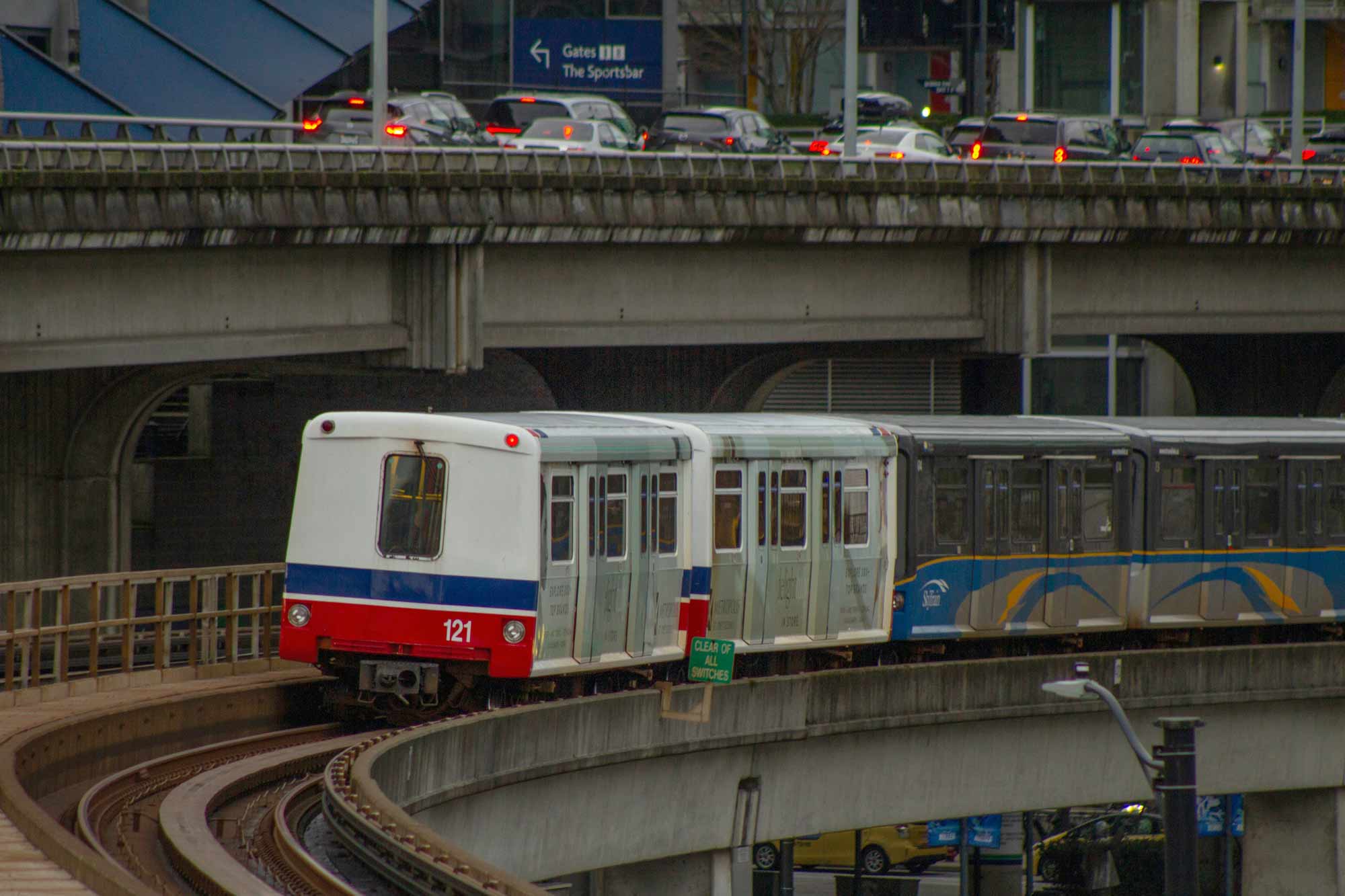
TransLink
Public transportation in Metro Vancouver is operated by TransLink. Use TransLink’s trip planner, schedules, and maps to compare routes before choosing a neighbourhood. The Compass Card can be loaded with stored value, day passes, or monthly passes, and fares vary by zone, time of day, and mode of travel. A single fare is valid for 90 minutes on bus, SkyTrain, SeaBus, and HandyDART.
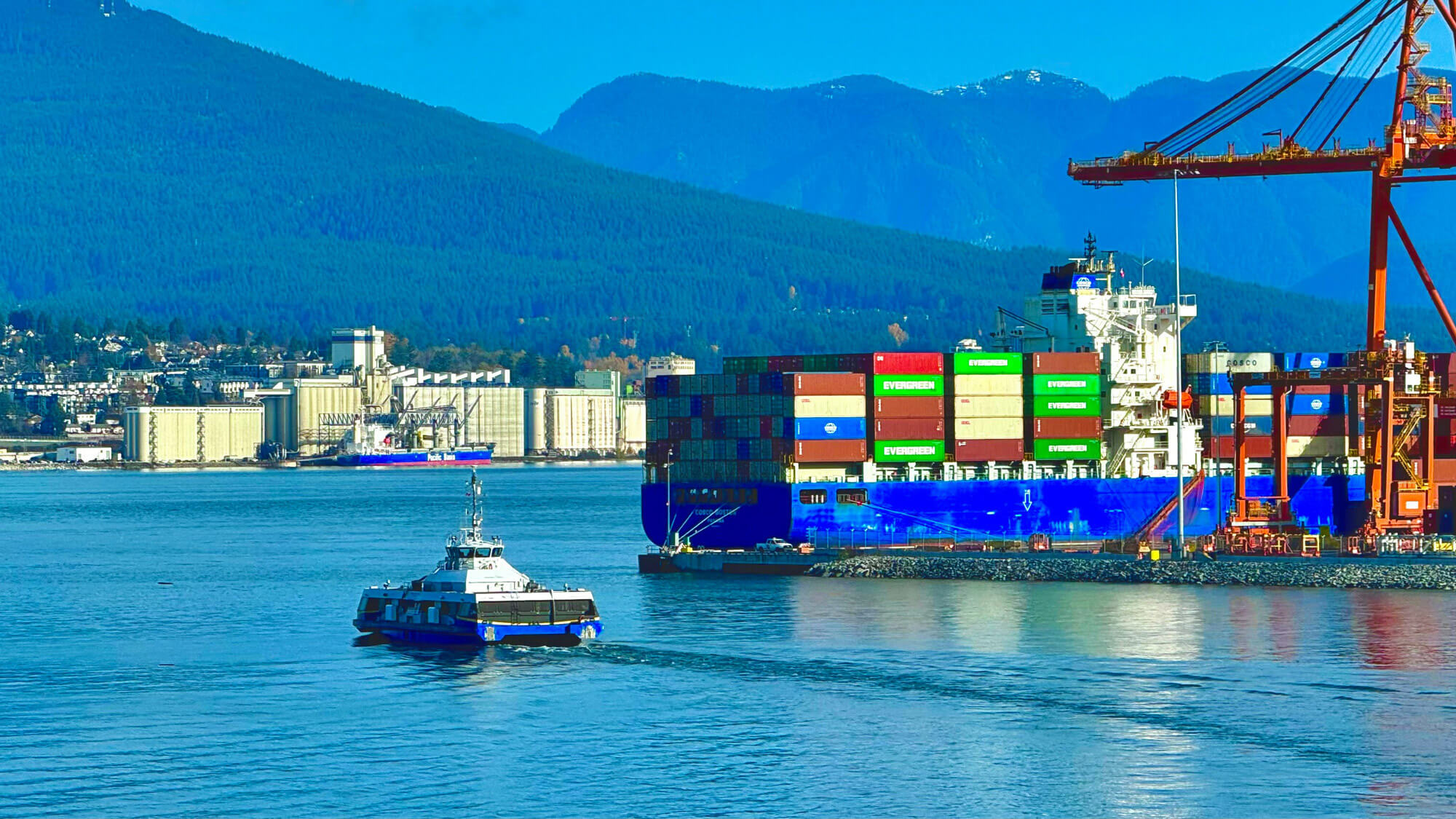
SkyTrain, SeaBus + bus
SkyTrain connects downtown Vancouver with communities across Metro Vancouver, including Burnaby, New Westminster, Richmond, Surrey, Coquitlam, and Vancouver International Airport. SeaBus connects downtown Vancouver and North Vancouver across Burrard Inlet. The bus network connects neighbourhoods throughout Vancouver and the surrounding municipalities. Adler is near Granville and Waterfront stations, which makes many transit commutes straightforward.

Taxi Services
Taxis are available downtown and across Vancouver, though wait times can vary by time of day, weather, and demand. Common taxi companies include:
Yellow Cab – 604.681.1111
Black Top and Checker Cabs – 604.731.1111
Vancouver Taxi – 604.871.1111
MacLure’s Cabs – 604.831.1111

Rideshare
Rideshare services such as Uber and Lyft operate in Vancouver. You can request a ride through the app, review the estimated fare before accepting, and share trip details with someone you trust. Prices can increase during high-demand periods.
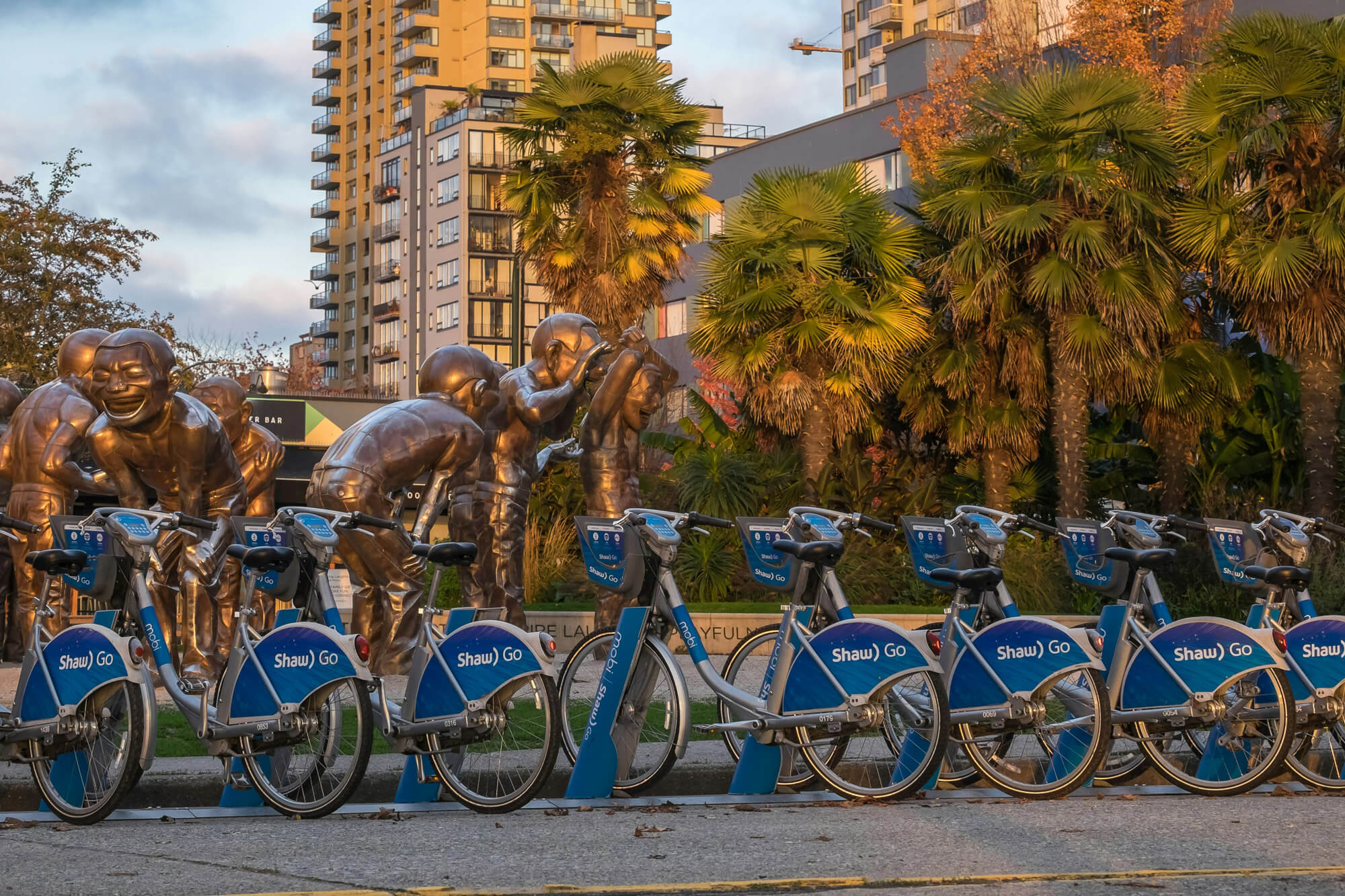
Biking
Vancouver is bike-friendly, with cycling routes, protected bike lanes, greenways, and the seawall. The City of Vancouver offers cycling routes and maps, and Mobi by Rogers is the public bike share system. Before commuting by bike, review the route, hill profile, weather, lighting, and bike parking options.
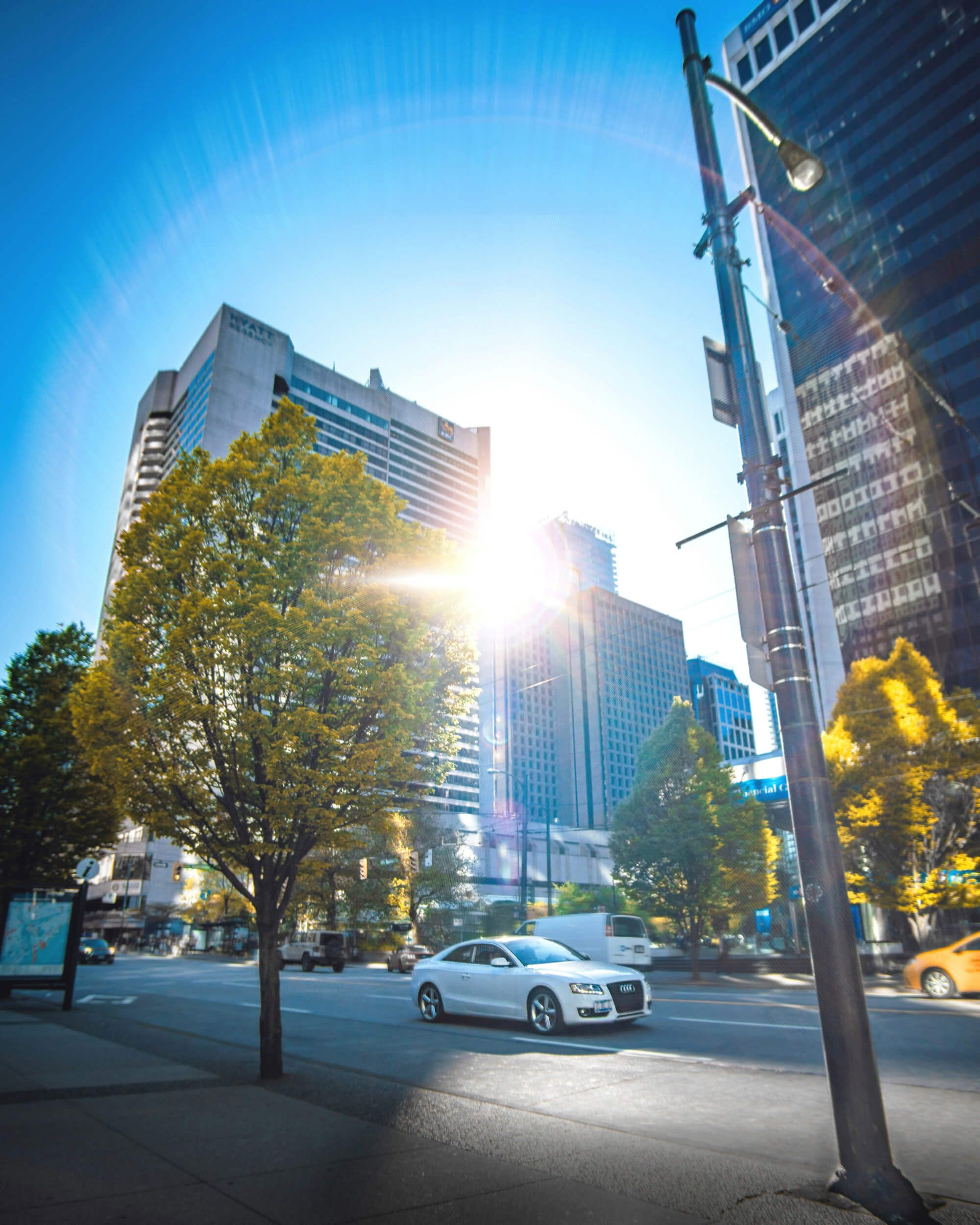
Owning a car
Owning a car is optional for many students because Adler is downtown, and public transit is convenient. If you bring a car, consider insurance, fuel, maintenance, paid parking, permit rules, and winter driving conditions. If you move to British Columbia, ICBC provides driver licensing and insurance information. New residents have 90 days to switch over a driver’s licence after moving to British Columbia.
ICBC: 1.800.910.4222
PARKING
Adler University in Vancouver is located downtown. Public transit is usually the most convenient way to get to campus, but paid parking, taxis, and rideshare services are available nearby. Students who plan to drive should confirm parking availability and rates directly with commercial garages or parking apps before commuting.
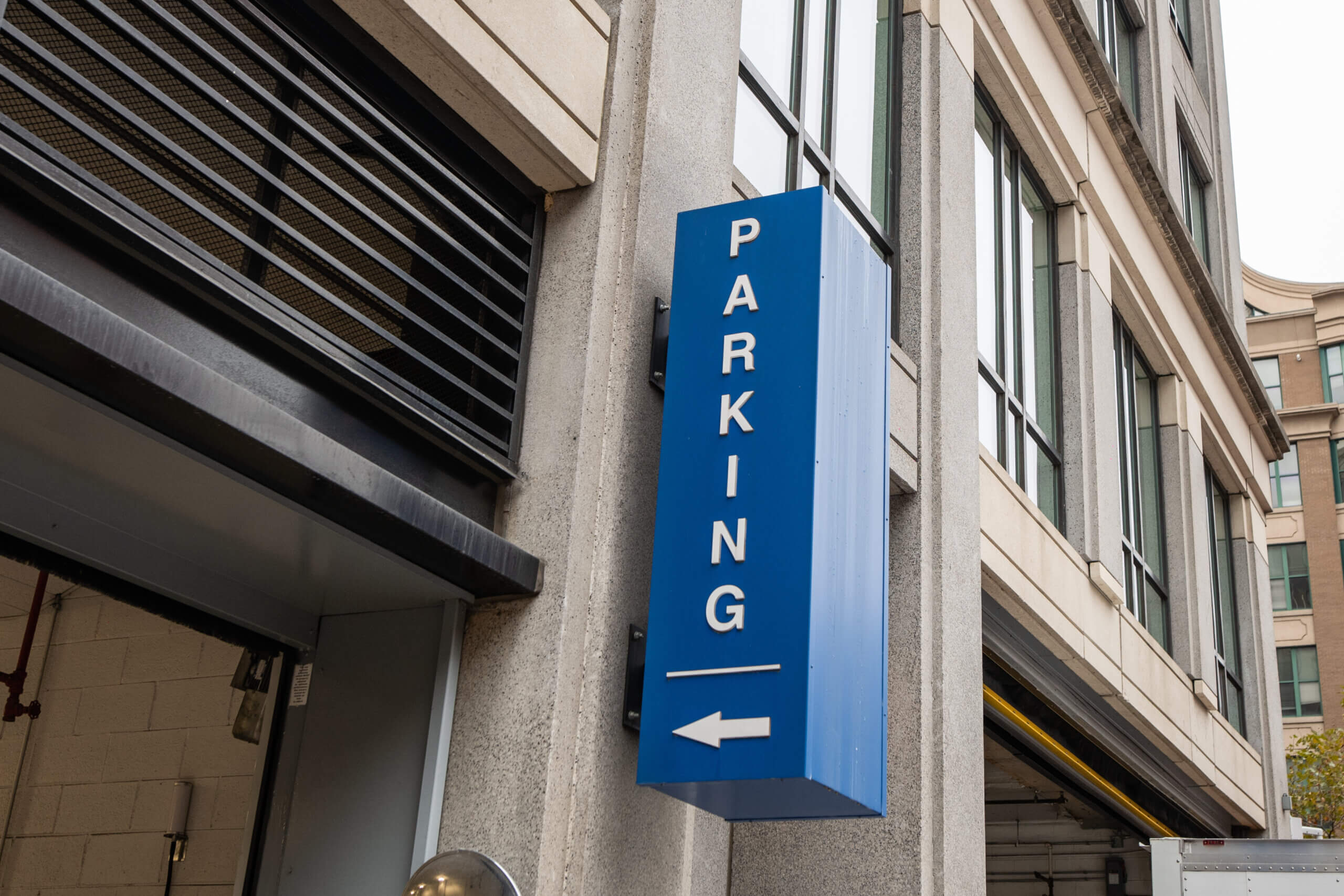
Street parking
Street parking rules, rates, and hours vary by location. Always check posted signage before parking. The City of Vancouver allows payment by PayByPhone or HotSpot app, credit or debit card at a parking meter or pay station, or by calling PayByPhone. As of April 27, 2026, the City notes that coins will no longer be accepted for street parking. The City also warns drivers not to scan QR codes placed on parking meters or pay stations, as the City does not use QR codes for parking payments. Review the City of Vancouver parking page before driving downtown.
Residential parking
Some residential streets use permit parking or time-limited parking. A residential parking permit allows you to park in your designated permit zone, but it does not guarantee a spot in front of your home. If parking is important to your housing decision, confirm whether the rental includes parking or whether you are eligible for a permit before signing a tenancy agreement.
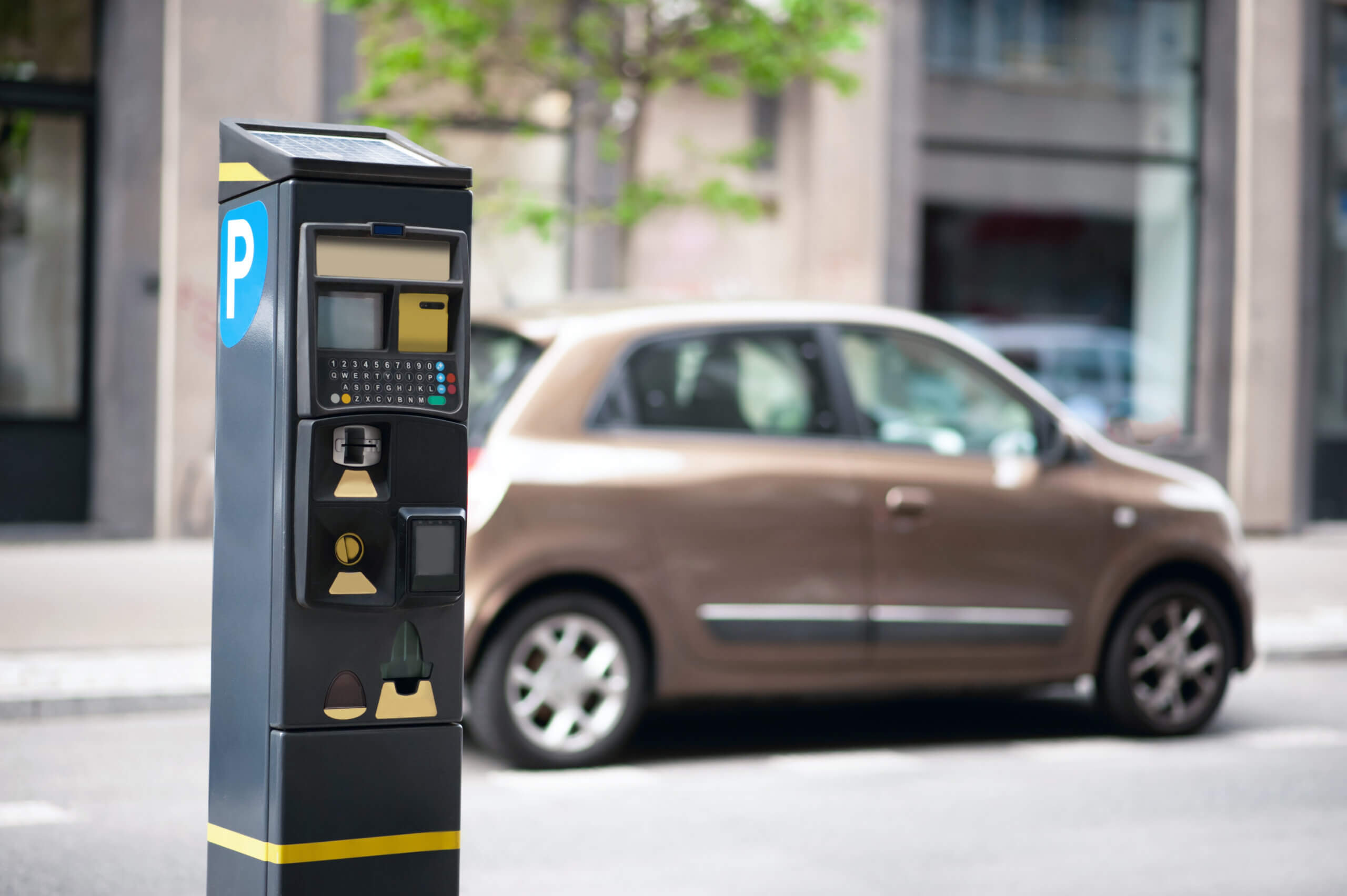
METERED STREET PARKING
Depending on where and when you park in Vancouver, the cost and hours of operation vary. Always check the signage before parking on the street.

Service Numbers
Emergency: 911
HealthLink BC: 8-1-1 for non-emergency health advice
City of Vancouver: 3-1-1 or 604.873.7000 for City services and general inquiries.
Vancouver Police Department non-emergency: 604.717.3321
BC Hydro, electric service and outages: 604.224.9376
FortisBC, natural gas customer service: 1.888.224.2710
Adler University in Vancouver:
520 Seymour St., Vancouver, British Columbia V6B 3J5
236.521.2500