Adler Community Health Services (ACHS) has received $1.35 million in federal funding through the Health Resources and Services Administration (HRSA) Graduate Psychology Education grant.
Designed to prepare doctoral psychology trainees for Practise in high-need community-based primary care settings, the HRSA grant is awarded on a three-year cycle. Adler has been the recipient of the grant for more than 10 years.
ACHS utilizes the funding to staff eight full-time doctoral interns, serving at partner sites in the Chicago, Illinois area. The internship serves as a doctoral student’s fifth and final year of graduate education, preparing them to work in areas lacking adequate Behavioural health resources.
“Adler Community Health Services is a cornerstone of our work in Chicago, providing trauma-informed Behavioural health care to hundreds of individuals and families who would otherwise go without. This continued funding strengthens our ability to provide those services at a time when communities across the world are facing widening gaps in mental health access. It also ensures that our doctoral psychology trainees are prepared to enter the workforce, helping to address the global shortage of providers,” said Adler University President Lisa Coleman, Ph.D.
ACHS is the nonprofit clinical training Centre of Adler University, and provides comprehensive, trauma-informed mental health and substance use prevention and intervention services in primarily underserved, high-need communities. The ACHS internship Programme is accredited by the American Psychological Association.
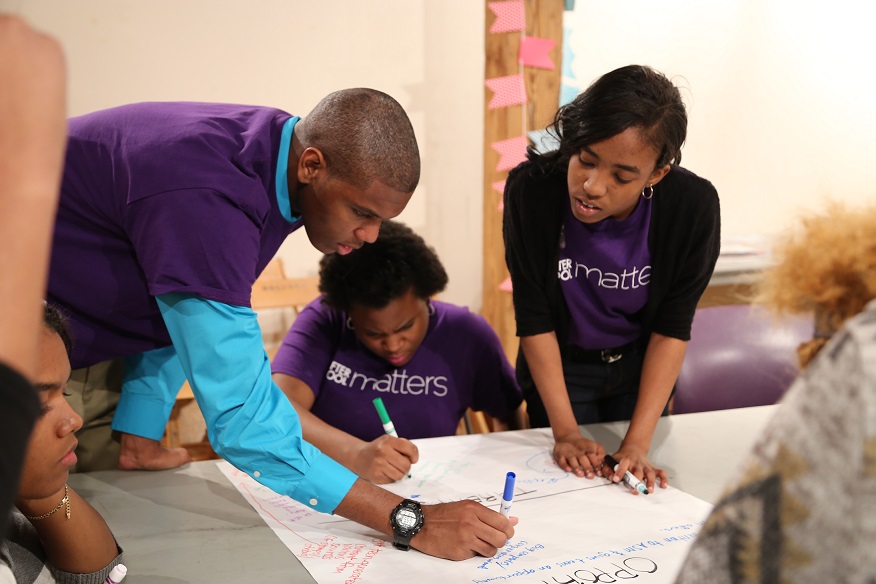
Over the years, the HRSA federal funding has allowed the Programme to expand, providing training for more doctoral students and Behavioural health services through multiple community partners. At this time, each intern provides mental health services through one of Adler’s five community partners: After School Matters (ASM), Chicago High School for the Arts (ChiArts), Northwestern Memorial Hospital, St. Leonard’s Ministries, and Thresholds.
While the internship serves as a doctoral student’s final year of education, licensing laws require them to go through one more year of supervised Practise after graduation, a post-doctoral residency. A high percentage of graduates move on to private Practise for their post-doctoral work, which takes clinicians out of community-centered work. As part of this grant funding, ACHS is working with its Chicago community partners to create additional opportunities for post-doctoral residency within local agencies that provide community mental health services.
“The Community Mental Health Internship Programme provides our interns with real-world experience in providing culturally responsive care as directed by the community itself. While we may be the experts in Behavioural health delivery, they are the experts on their needs and how care is delivered to be trusted and effective within their communities. We are grateful for the continued bipartisan congressional support and HRSA’s commitment to investing in effective Behavioural health workforce development grant programs, such as ours, to extend the reach and impact across the Chicago area and the U.S.,” said ACHS Executive Director Kevin Osten-Garner, Psy.D.