
relocating to Chicago
Starting fresh in a new city is one of the most exciting parts of student life — and we’re here to make the transition as smooth as possible. To help you hit the ground running, we’ve put together a few tips for finding everything you need as you settle into your new home.
HOUSING
Finding a place to live is an important part of beginning your life as a graduate student.
Chicago is comprised of 77 official neighborhoods, each with its own unique character. Choosing a neighborhood in Chicago is largely a matter of personal preference and style. Many students choose to live outside Chicago’s city limits because of the many advantages offered by the suburbs. Public transportation is still readily available in many suburbs, and the major train hubs are all within a short walk of Adler.
A fantastic resource for those new to the city is Choose Chicago. Explore the interactive neighborhood map to learn about each area, discover insider tips, and get a feel for the unique vibe of Chicago’s neighborhoods before you visit.
Chicago Department of Housing: 312.744.5000
Illinois Tenants Union 312.478.1133
Once you’ve identified the neighborhood that fits your needs, securing an apartment there can still be challenging if you’re unsure where to start. Many first-time residents of Chicago choose to work with an apartment locator service or realtor. These services are often free and may include transportation to available units. However, because many leasing agents work on commission, it’s important to remain clear and consistent about your priorities, budget, and must-haves throughout the process.
Beyond locator services, a wide range of websites, mobile apps, newspapers, and rental publications list available apartments. Below are several of the most commonly used resources:
- Hot Pads
- Pad Mapper
- Chicago Reader
- Zillow
- The Apartment People
- Chicago Apartment Finder
- Trulia
- Apartments.com
- adlerhousing.4stay.com
Note: Whichever method you utilize to find an apartment, make sure to carefully do the research before committing to any form of lease.
FINDING AN APARTMENT
While it’s possible to secure an apartment in just a few days, starting your search early gives you the freedom to explore different neighborhoods, compare options, and find a place that truly feels like home. Keep in mind that most property managers and listing services post available units only 45 to 60 days before the move-in date, so planning ahead helps you be ready when the right opportunity arises.
To help you navigate the process with confidence, here are a few additional tips and resources to guide your search:
VIEW THE UNIT
Do not sign a lease without viewing the apartment in person first. It may seem obvious, but this is a common occurrence. Get any promised repairs in writing, and research crime rates in the neighborhood. Leasing their building is the landlord’s job: make sure you get what you pay for.
RENT LIMITS
As a fiscally responsible graduate student, setting a rent limit is important for saving money and having some left over for fun. Often, landlords offer a larger unit at a discounted price to get you to pay more, but sticking to your limit will ultimately provide you with extra money in your pocket, and less anxiety about finances.
LEASING TERMS
Besides the lease period, make sure you read all the lease’s terms and conditions, and get promised repairs in writing before you sign. Tenants have rights in Chicago, and landlords must obey them. Reading the lease for questions and concerns will let the landlord know that you will not be a pushover when it comes to repairs and your rights.
WHAT'S INCLUDED
Make sure you understand what utilities (heat, electric, etc.) are included with the rent, and ask what the average monthly costs are. If your apartment does not have central air conditioning, ask if a window unit is provided. If you provide your own window unit, ask whether there is a monthly fee during the warmer months to offset higher electricity costs.
the Necessities
Grocery shopping + pharmacies
Chicago is home to many large grocery store chains and pharmacies. Some of the large grocery store chains include Aldi, Jewel, Mariano’s, Trader Joe’s, and Whole Foods. Target stores also have grocery sections, including fresh produce. In addition, there are many locally owned grocers, and a variety of farmers’ markets held throughout the year.
While there are many locally owned pharmacies in the area, the two biggest chains are Walgreens and CVS. Store hours vary by location, but there are several 24-hour pharmacies in the city. Many Walgreens and CVS locations have walk-in clinics for minor ailments, such as strep throat or a sprained ankle.

Hospitals + doctors
In case of an emergency, you should always dial 911. There are many hospitals throughout the city of Chicago and the surrounding suburbs. Northwestern Memorial Hospital, Illinois Masonic, Rush University Medical Center, University of Chicago Medical Center, and John H. Stroger Hospital are among the largest in the city. We recommend contacting your insurance provider to find which hospitals are covered by your medical plan. They can also provide recommendations for doctors within your network.

Health + fitness
There are many traditional and non-traditional athletic clubs, fitness groups, personal training, and wellness options within the city of Chicago. The best way to find a health and fitness club is to use Google or Yelp to research by location, classes offered, and reviews. It’s also worth noting that the Chicago Park District offers a high-quality, affordable alternative to private gyms.
There are many activities offered throughout the city, including Zumba, barre classes, running clubs, CrossFit, and more.

TRANSPORTATION
Chicago’s public transportation system extends well beyond trains and buses, offering a range of convenient ways to get around the city. In addition to the Chicago Transit Authority’s “L” lines and bus routes, residents can take advantage of Metra commuter rail, Divvy bike-share stations, rideshare services, and pedestrian-friendly neighborhoods that make walking a practical option for daily life. Whether you’re commuting to campus, heading to work, or exploring the city, there are flexible and affordable transportation options to fit your needs.
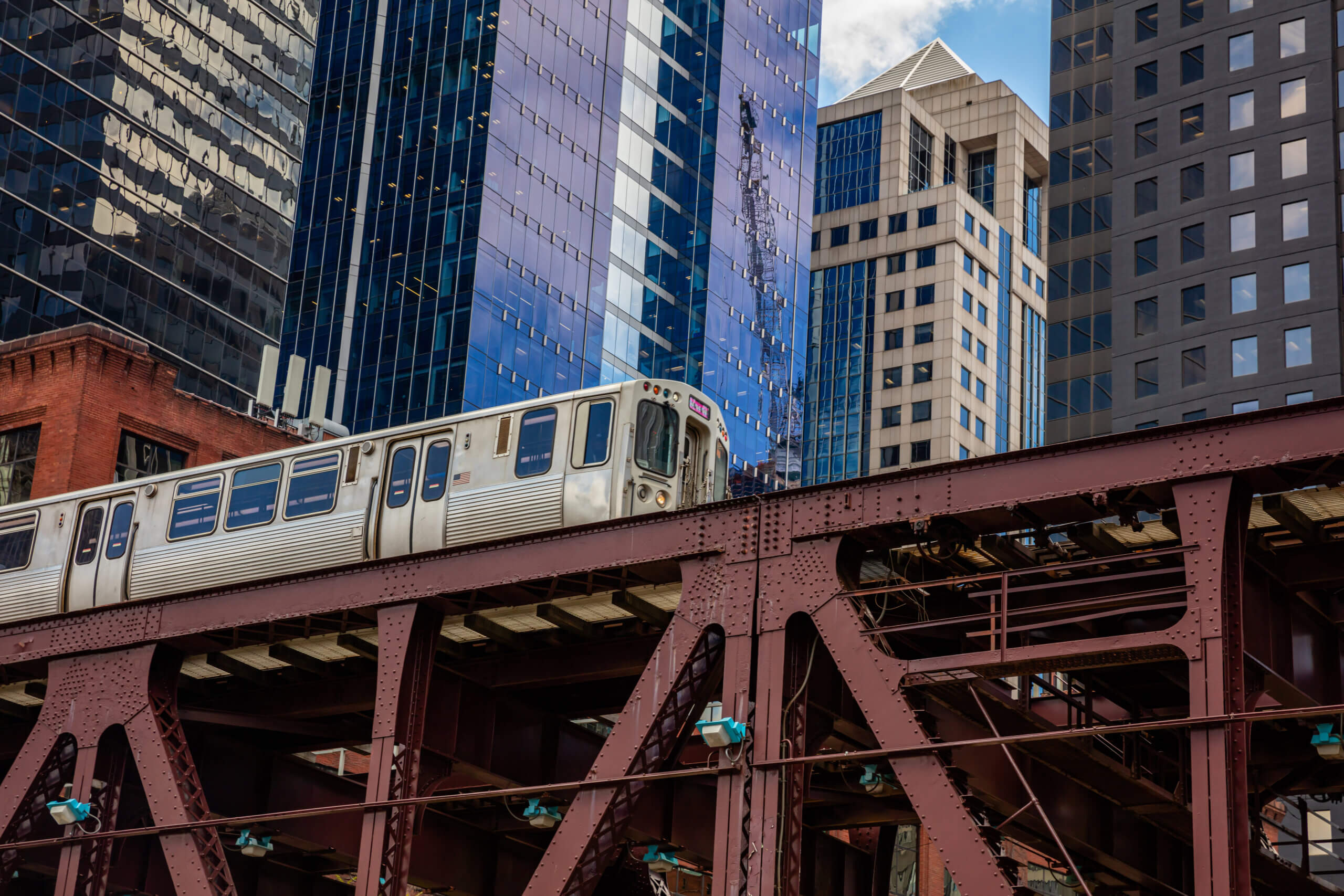
Chicago Transit Authority | CTA
The CTA consists of eight train routes, separated into colors based on where their destination is, that operate on elevated track and subway stations downtown. The elevated trains (the El or L) carry the most commuters within the city, providing 500,000 rides daily. The CTA also maintains 2,000 buses on 154 routes that crisscross the entire city, effectively linking anyone to anywhere in the city. The CTA also services both airports in Chicago via the Blue Line (O’Hare International Airport) and the Orange Line (Midway Airport) from downtown, and any connecting bus line.
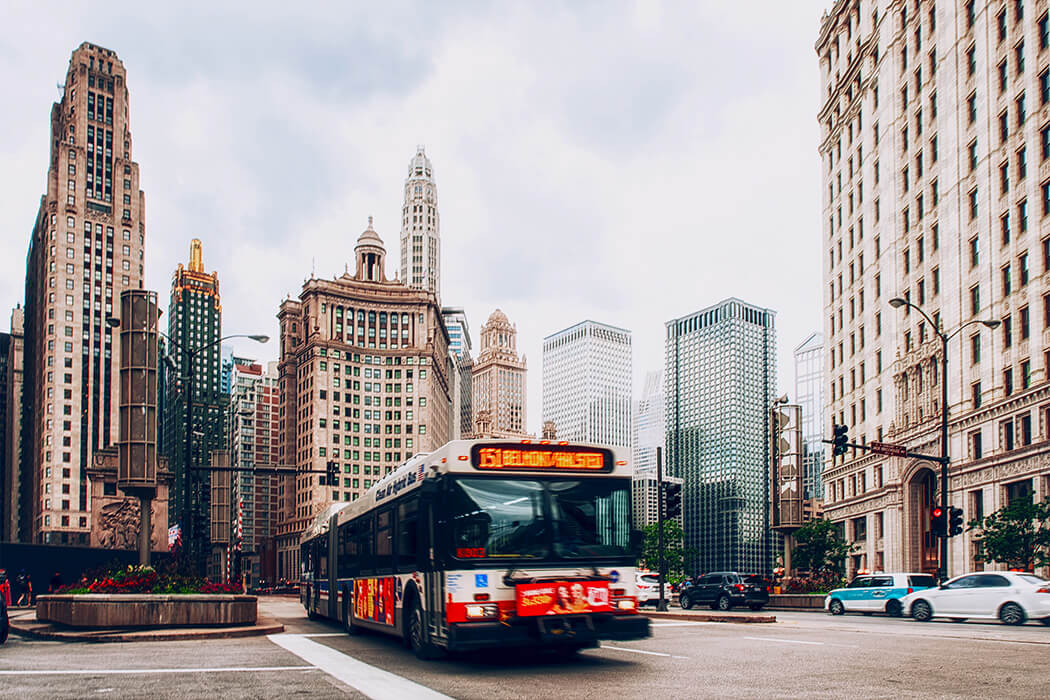
Regional Transportation Authority | RTA
The RTA oversees all aspects of public transportation in the city and its surrounding suburbs. The system covers six counties in the state of Illinois and helps maintain a rail line into northern Indiana.
The system provides more than two million rides, operates over 5,200 vehicles, trains, and buses on 7,200 route miles every day. There are several apps available that provide train schedules and route changes; simply search the app store for “Metra Chicago” to choose one.
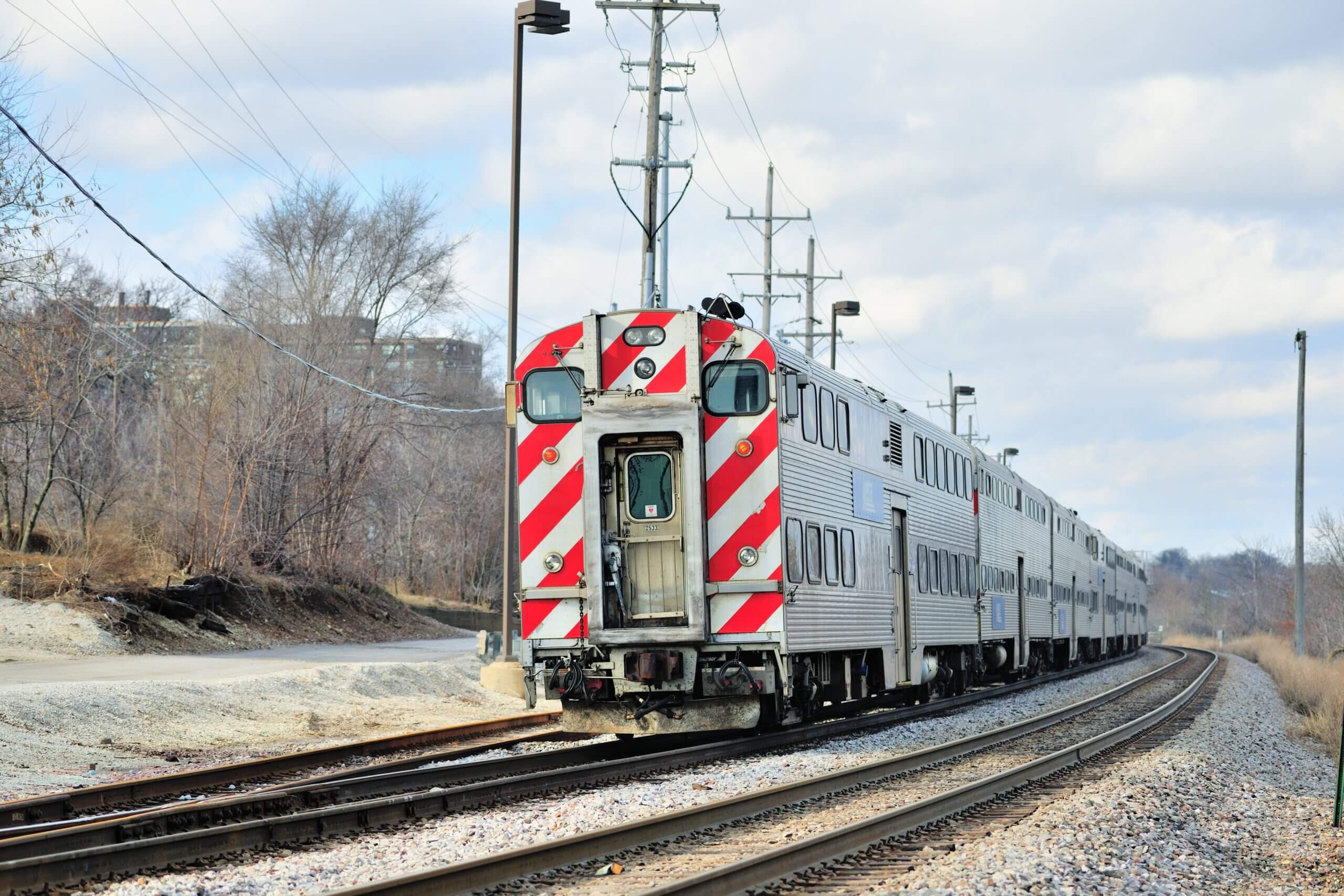
Metra Suburban Rail | Metra
*Not covered by the U-Pass program
Metra operates 12 commuter rail lines from downtown Chicago stations — Union Station, Ogilvie Transportation Center, LaSalle Street Station, and Millennium Park Station — serving surrounding suburban communities across a six-county region, with Chicago as its hub. It is a separate system from the CTA.
Metra Passenger Services Weekdays 8 a.m. – 5:00 p.m. CT
312.322.6777
312.322.6774 TDD
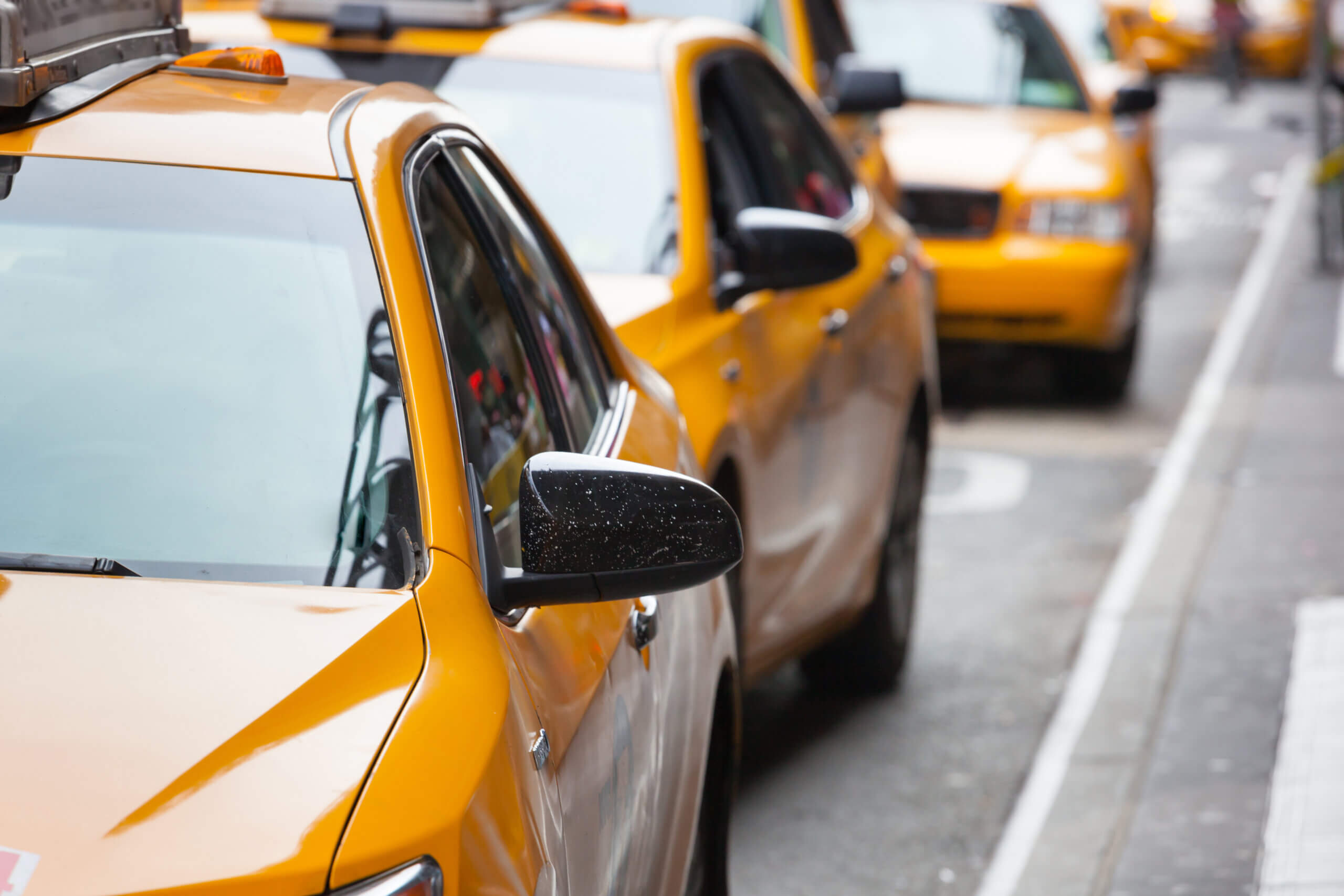
Taxi Services
Taxis can be hailed easily when downtown in the Loop and areas close to the downtown area. However, the further you move from the city center the fewer taxis that are available. Smartphone apps like Curb are helpful in hailing taxis in the city.
Yellow Cab – 312.942.0166
Checker Taxis – 312.243.2537
Flash Cab – 773.561.4444
Rideshare
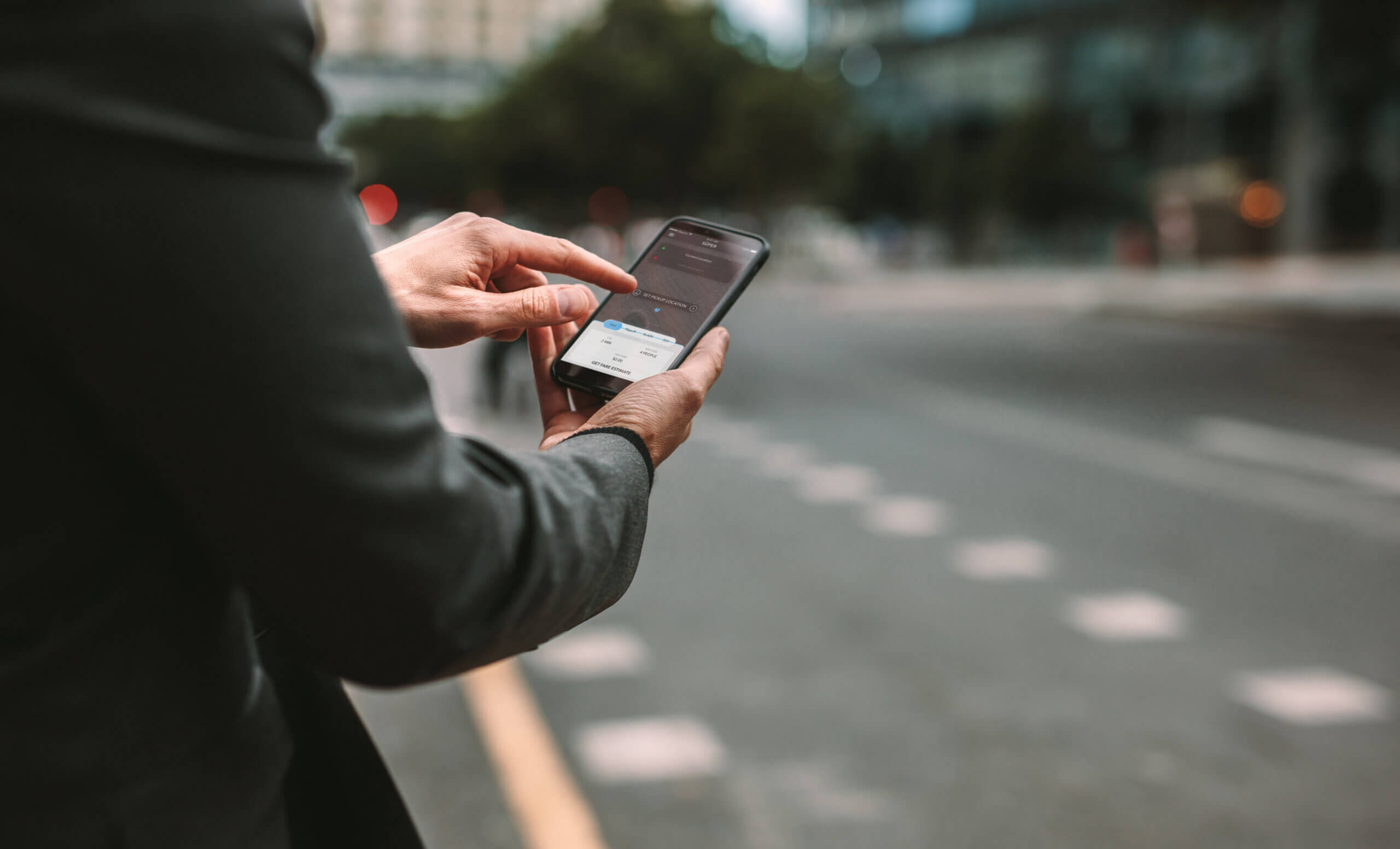
There are a number of popular ridesharing services available in Chicago, including Lyft and Uber. You can request a ride through their apps, and you will be quoted a price before you choose to accept the ride. Most rideshares offer options to carpool with others to reduce the cost of the ride, but be aware this may lengthen the time of your trip as the car will stop to pick up and drop off other passengers. Most rideshare apps have security features in place which allow you to share your ETA and driver information with someone else.
Biking
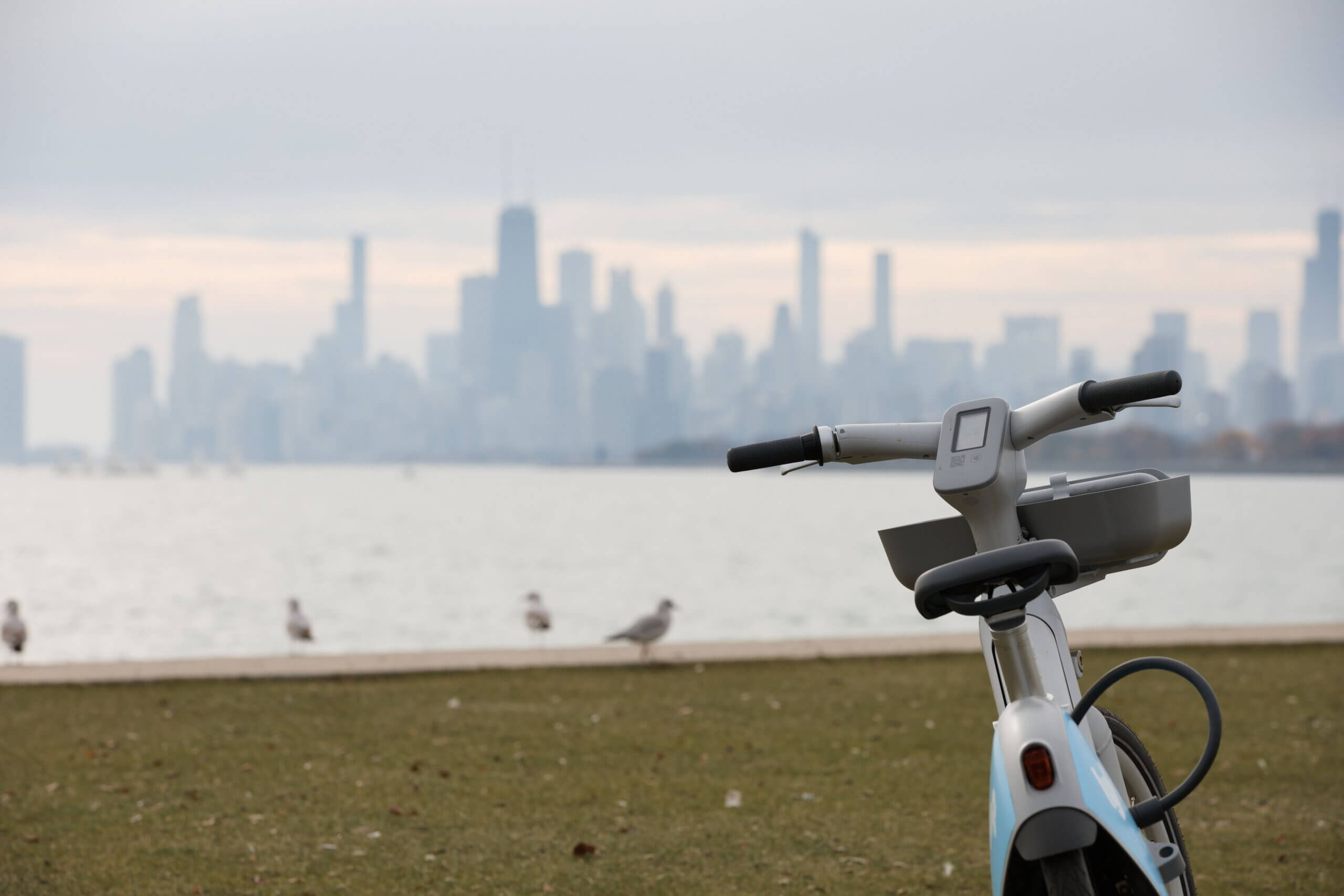
Chicago has a national reputation as one of the best cities in the United States for bicycling with more than 200 miles of on-street protected, buffered, and shared bike lanes, an 18.5-mile Lakefront trail, more than 13,000 bike racks, and sheltered, high-capacity, bike parking areas at many CTA rail stations.
In 2013 the Divvy bike share program was introduced in the city of Chicago. With 4,000 bikes and 400 stations across the city, Divvy bikes can be rented from and returned to any station in the system, creating an efficient network with many possible combinations of start and end points. Their bikes are available for use 24 hours a day, 365 days a year.
Owning a car
Owning a car is optional in Chicago, as public transportation can take you all over the city. Weigh the pros and cons before bringing your wheels; however, keep in mind you may want a car once you begin your practicum, as some sites are located in the suburbs.
The expense of owning a car can be a deterrent for many. Additional expenses include city stickers, emissions checks, and parking permits in certain neighborhoods. In many busy neighborhoods, streets are zoned, and only cars with certain permits are allowed to park there.
BEWARE of the Tow Zone signs, Street Cleaning signs, and Snow Route signs. These signs will ticket the driver and possibly tow them if they stay too long (unless it’s a Tow Zone, in which case it will be towed immediately).
The Snow Route signs are valid from Oct. 1 — or first snow — until April 1 on many major streets in Chicago. When two or more inches of snow fall on those streets, it becomes closed to all parking, and all vehicles will be towed. It is important to monitor the overnight snow forecast, as your car will be towed before the morning rush hour.
There is also a winter overnight parking ban, which runs from Dec. 1 to April 1, regardless of weather conditions. Parking is banned on 107 miles of the city’s most critical streets between 3 and 7 a.m.
Department of Motor Vehicles: 312.793.1010
PARKING
Adler University does not have on-site parking. However, there is one commercial parking garage close to campus that offers discounted parking to Adler students with validation. Simply ask our reception desk for a parking validation card when you visit, and they will provide it for you.
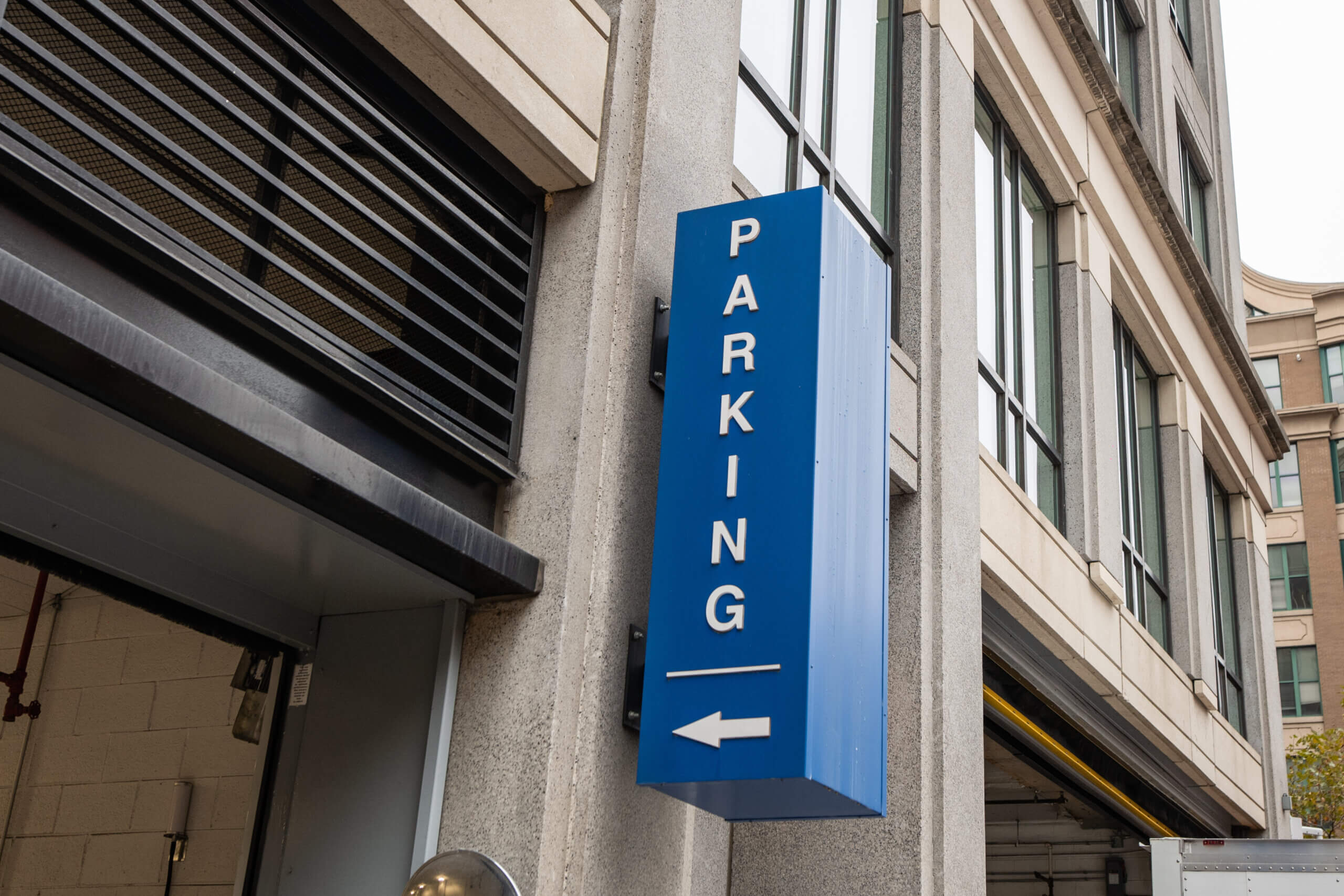
WABASH RANDOLPH SELF PARK | InterPark
20 E. Randolph (.45 miles away)
312.656.4713
Daily: $15 to park up to 12 hours on weekends and weekdays,
You must obtain a discount sticker from the 15th floor Adler reception desk every time you park
InterPark’s iParkit app is used with the code “STUDENT418” rate is $13 per 12 hours.
Monthly Parking Discount
Students can purchase a parking pass for $200/month to access 24-hour parking. Savings occur if you park more than 13x per month.
These rates are subject to change.
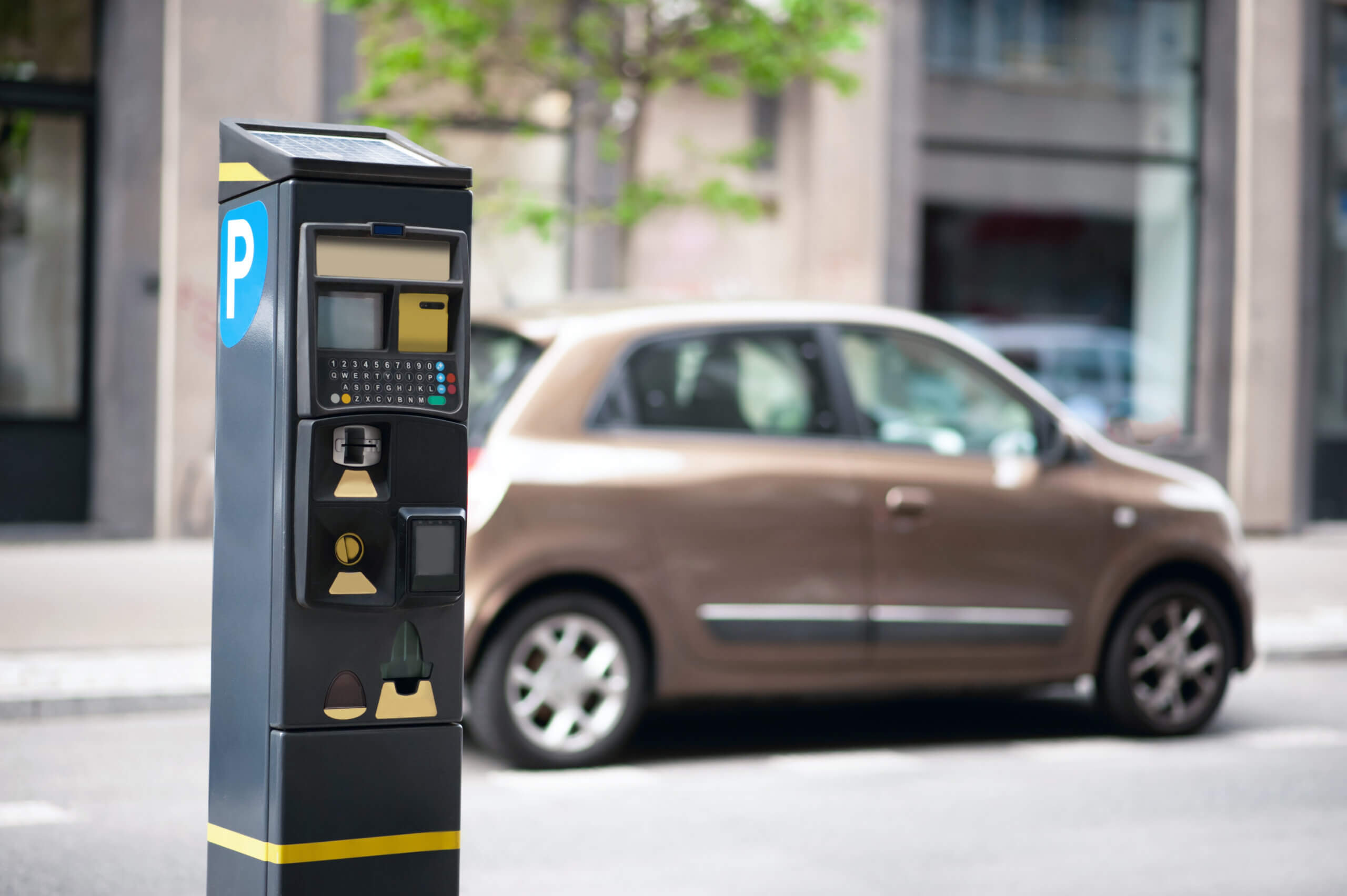
METERED STREET PARKING
Depending on where and when you park in Chicago, the cost and hours of operation vary. Hourly parking rates typically range from $2 to $6.50. Always check the signage before parking on the street.
ParkChicago is an app. that works in conjunction with the City of Chicago’s parking meters and can help you find spaces in the city. It will also monitor and pay for your car’s parking at any meter.
Downtown Chicago has hundreds of parking garages, and many companies offer savings through apps such as SpotHero or ParkWhiz.
Service Numbers
Commonwealth Edison | Electric: 800.334.7661
People’s Gas: 866.556.6001
AT&T | Phone, internet + TV: 800.244.4444
Comcast/Xfinity | Phone, internet + TV: 866.886.6838
RCN | Phone, internet + TV: 800.746.4726
Chicago Police | Non-emergency: 312.746.6000 or 311
Department of Motor Vehicles: 312.793.1010