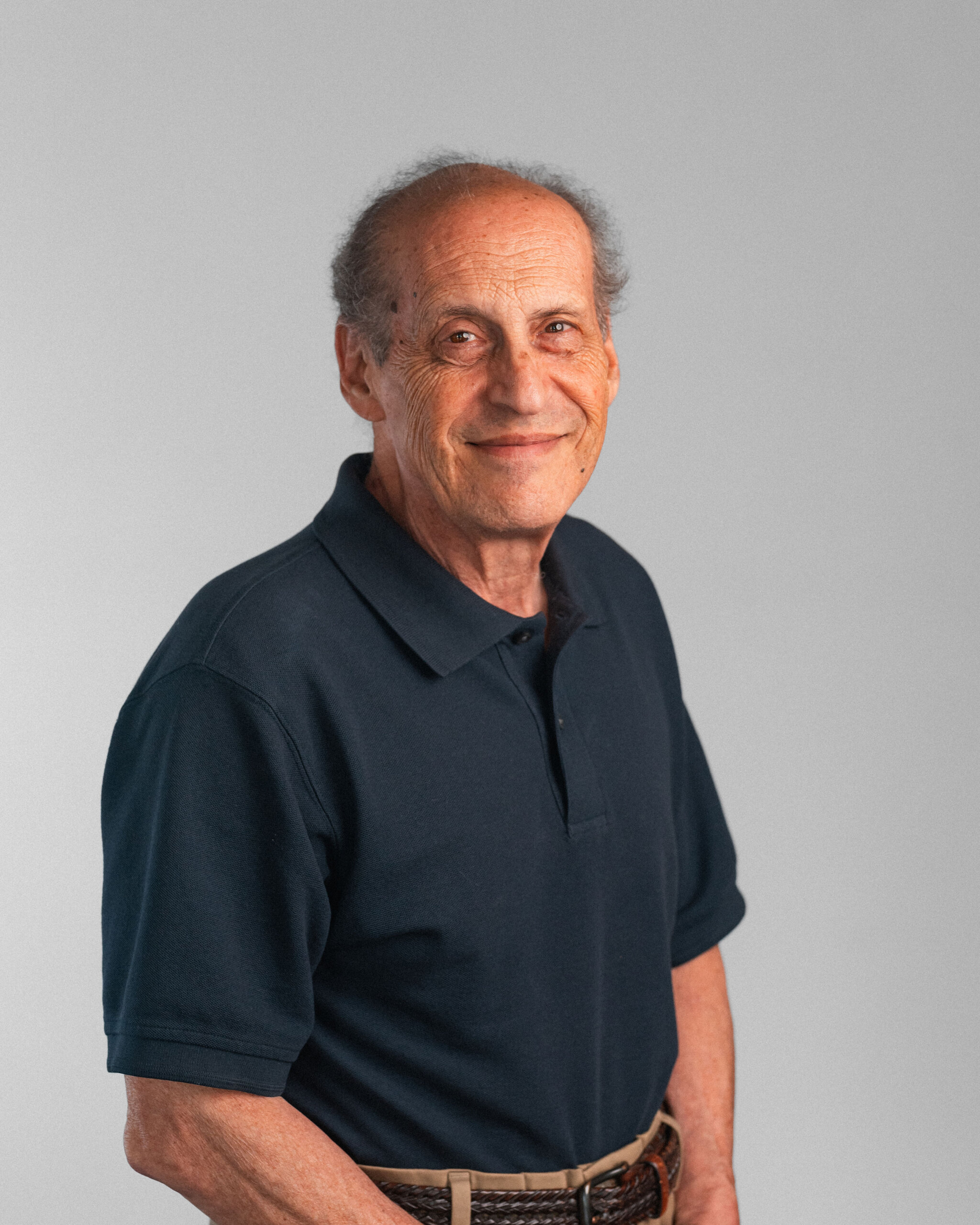
For decades, Neal Rubin, Ph.D., ABPP, has dedicated his career to advancing psychology, championing human rights, mentoring future professionals, and building meaningful connections across borders. That lifelong commitment has now earned him one of the field’s highest international honors.
The Society for Global Psychology (SGP) of the American Psychological Association (APA) has named Neal Rubin, Ph.D., ABPP, the recipient of its 2026 Outstanding International Psychologist in the United States Award. Dr. Rubin will be recognized at the APA Convention in Washington, D.C., this August.
“It is quite an honor to be selected by your colleagues for such a prestigious award,” Dr. Rubin said. “I’m very fortunate to be recognized by so many people I admire.”
A board-certified clinical psychologist, educator, author, and human rights advocate, Dr. Rubin has spent his career exploring the intersection of psychology and social interest. He is the co-author of “The Cambridge Handbook of Psychology and Human Rights,” which received the APA’s Ursula Gielen Award for Outstanding Book in Global Psychology in 2021 and was a finalist for the Association of American Publishers’ PROSE Award for excellence in scholarly publishing.
Dr. Rubin’s scholarship on human rights has reached audiences around the world. He has published extensively on topics related to human rights and psychology and has been invited to speak in countries across five continents.
“Human rights work is part of the foundation of what we do as psychologists and the way we educate and train students at Adler,” Dr. Rubin said.
This latest recognition adds to a distinguished list of honors. In 2023, Dr. Rubin received both the Award for International Excellence from the APA’s Society for Psychoanalysis and Psychoanalytic Psychotherapy and the Henry David Memorial International Mentoring Award from the Division of International Psychology.
Other honors include the Lynn Stuart Weiss Memorial Lectureship Award from the American Psychological Foundation, the Outstanding Service in Professional Psychology Award from the National Council of Schools and Programs of Professional Psychology, and the Jefferson Cup from the APA Office of International Affairs for 15 years of service on the APA’s NGO Team at the United Nations.
Throughout his career, Dr. Rubin has held numerous leadership roles within the profession. He previously served as a member and chair of the Committee on Scientific Freedom and Responsibility at the American Association for the Advancement of Science (AAAS). Within the APA, he has served as President and Council Representative of Division 52 and has volunteered to mentor psychologists and scholars from countries including Afghanistan, Belarus, Canada, Iran, Israel, Mexico, and Turkey.
For Dr. Rubin, the award represents more than a personal achievement.
Much of that work in recent years has focused on human rights; a subject he believes is inseparable from the practice of psychology. That perspective informs both his scholarship, his teaching, and his clinical practice. Since 2019, Dr. Rubin has been educating the next generations of mental health professionals at Adler.
“I’ve been looking at psychology through the lens of human rights for many years, and I integrate that perspective into the way I teach and train students — whether they’re engaged in clinical work, academic study, or research,” he said. “Human rights reflect the core values of our profession. I hope our students come to understand the moral and ethical foundations of what it means to be a psychologist and carry those values into their work.”
When asked about his advice for the students at Adler, Dr. Rubin said: “Psychology is a great field to be in because there’s a lot of flexibility in the path you choose. As clinicians, educators, or investigators, we have the opportunity to advance our understanding of human behavior and to diminish human suffering. Whether in our society or in our global society, by honoring the human rights of everyone, I think most of us simply hope to contribute to creating the world we want, characterized by equality, fairness and honoring the human dignity of each and every person.”